
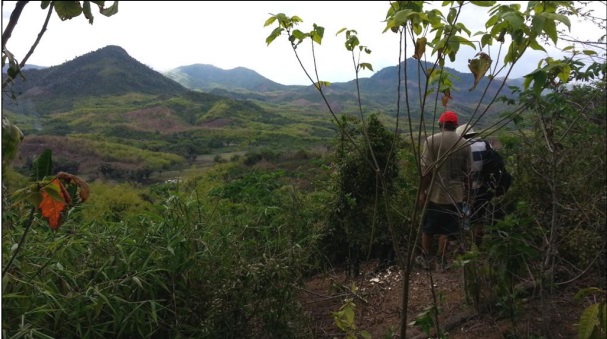

Harena Rare Earths (HREE ) has released the results of a pre-feasibility study conducted on its Ampasindava rare earths project in Madagascar.
The study envisages an operation processing five million tonnes of ore per year running at an average grade of 1,500 parts per million total rare earths.
Annual total rare earth production is set at around 4,000 tonnes, of which annual oxide (NdPr + DyTb) production would be 1,700 tonnes per year.
The mine life is envisaged at 20 years, and total rare earth production over that period would amount to around 71,000 tonnes.
The pre-production capital cost estimate is set at US$142 million.
On a base case scenario, the undiscounted life of mine free cashflow is reckoned at US$1.0 billion post-tax, and the net present value is set at US$343.7 million. Post-tax net present value is $249.6 million, with the corresponding internal rate of return showing at 30%.
Upside scenarios are also presented that show the life of mine cash flow potentially running to as much as US$2.6 billion.
Meanwhile, work on the ground continues, as various on-site facilities have been established, and work is now underway on more detailed planning, including an optimisation of the flowsheet.
Permitting remains on track to allow construction to commence in 2027.
"We are extremely pleased to be releasing the excellent results of this pre-feasibility study to the market,” said Harena’s chief executive Ivan Murphy.
“The key metrics presented here clearly highlight the exceptional scale, quality and strategic significance of the Ampasindava project, reinforcing its position as a world-class heavy rare earth asset and marking a major milestone in its progression towards development.”
View from Vox
It’s a good time to be getting into rare earths, and Harena has here delivered some big numbers and attractive economics. A base case free cash flow number of US$1billion over the life of the mine is not to be sniffed at, especially when the upside could go to US$2.6 billion according to certain models. The company is shooting for the big leagues, and building the connections and networks accordingly. Construction in 2027 isn’t too far away, and is likely to come around pretty quickly.