
Below are the key headlines from today’s updated papers, featuring the Financial Times, The Times, The Telegraph, The Daily Mail & more - see the full Press section here.
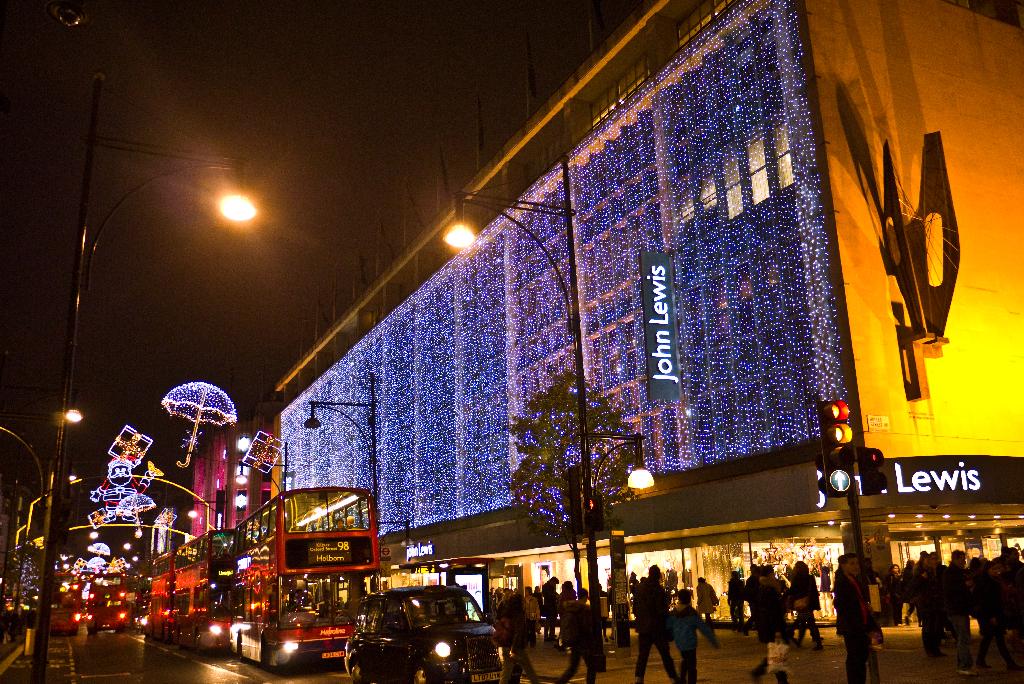
John Lewis cuts staff bonus to lowest level since 1953. Workers will receive bonus worth 3% of annual pay as underlying profits fall 45.4%. The John Lewis Partnership has cut its staff bonus to the lowest level in 66 years, as it said underlying profits had slumped. The company said 83,900 workers, known as partners because they jointly own the business, would receive a bonus worth 3% of annual pay. All partners, from leading executives to Saturday shelf-stackers, receive the same percentage bonus. Last year staff were awarded 5% after profits fell at the group, which includes the John Lewis department stores and Waitrose supermarkets. This year underlying profits plunged 45.4% to £160m in the year to the end of January. The bonus was first paid in 1920. The company also said it was selling a further five unprofitable Waitrose shops to other retailers, with the loss of 440 jobs. The stores will close in June and are located in Torquay and Teignmouth in Devon, Barry in Glamorgan, Ashbourne in Derbyshire, and Blayby in Leicestershire. It follows the closure of five shops last year.
Cobham pledges to relaunch dividend but shares still drop. Aerospace supplier Cobham (COB) promised to restart its dividend for the first time in three years on Thursday but slow growth at its fighter jet radar division weighed on shares. The Boeing and Airbus supplier, led by chief executive David Lockwood, expects to make a small, 1p per share payout at interim results. The company halted payments in 2016 after a string of profit warnings, the first time in nearly 50 years Cobham had not paid a dividend. The dividend is a sign the firm is on the mend. Free cash flow also surprised coming in at £63 million, well ahead of City expectations of £10 million.
C&C stockpiles a month’s worth of Magners cider to see Brits through Brexit. Drinks maker C&C Group (CCR) on Thursday said it has stockpiled enough Magners cider to quench the thirst of Brits for at least a month after Brexit. The Dublin-headquartered manufacturer has shipped extra bottles and cans from Ireland. They are being stored near Bristol to ensure enough stock is available in case of any border delays disrupting imports once Britain leaves the EU. Boss Stephen Glancey added that C&C’s wholesale and distribution arm Matthew Clark has upped the number of wine bottles it is storing.
Brexit ‘overhang’ sparks Countrywide profit alert. A Brexit-inspired paralysis in the London property market on Thursday forced yet more bad news from ailing estate agent Countrywide (CWD) as it hit investors with a £5 million profit warning. Shares in the firm sank another 10% or 1p to 9.5p as executive chairman Peter Long blamed the current political uncertainty for the market’s woes, particularly in London and the South-East. The current slump comes after a disastrous spell for the UK’s biggest estate agent due to an ill-fated restructure by the previous chief executive, who was sacked early last year. The firm also had to raise £125 million last summer to cut a dangerous debt pile.
Aviva’s new chief sets out to streamline ‘far too complex’ insurer. Aviva (AV.) new chief executive on Thursday promised to go after “low-hanging fruit” to simplify the insurer. Maurice Tulloch, who was appointed on Monday, said he wanted to make the FTSE 100 giant run better and there were lots of opportunities to create “efficiencies”. “We are far too complex and this is holding us back,” he said. “This will change, and quickly. I plan to leave no stone unturned to drive better underlying operating performance.” He pointed to duplication of two main head offices — one for global operations and the other for UK — and too many versions of the same product as areas of focus. Analysts had speculated Tulloch may pursue a radical break-up of the company.
Melrose clamps down on loss-making contracts at GKN. GKN-owner Melrose Industries (MRO) promised to turn around loss-making contracts on Thursday as it swerved problems in the car industry. The FTSE 100 group, which won an £8 billion hostile bid for the company, said a review of GKN’s sales had found that 10% of sales were loss-making. The company, which said it would no longer enter into loss-making contracts, hopes to get that profitable by making the factories more efficient. Finance chief Geoffrey Martin said: “It’s real evidence [GKN was] entering stuff it shouldn’t have done. We can correct that by changing the cost base of GKN. There’s lot of work to do there.”
Greggs sales top £1bn for first time as it bucks high street slowdown, Pre-tax profits at UK’s largest bakery chain rise by 15% to £82.6m in 2018. Greggs (GRG) had a milestone year in 2018 with sales exceeding £1bn for the first time, while the launch of its vegan sausage roll provided a strong start to 2019. The UK’s largest bakery chain said total sales rose by 7.2% year-on-year in 2018 to £1.03bn, compared with £960m in the previous year. Greggs has bucked the high street malaise in recent months, with strong demand for its breakfast ranges as well as its steak bakes and sausage rolls. It scored a marketing victory in January when it launched its vegan sausage roll. The Quorn-filled pastry attracted a large social media following and shops rapidly sold out.
Struggling fashion firm Quiz (QUIZ) sparked an almighty sell off in its shares today as it crushed investors with its second profit warning in as many months. Quiz – best known for its tie-up with TV show The Only Way is Essex – suffered a painful 50% drop in its shares to 16p in early trading after it slashed its profit forecast for the year by almost half. The retailer, which floated on the London stock exchange less than two years ago, said it now expects to generate earnings of £4.5million, a far cry from the £8.2million it guided to at its first profit warning in January. Quiz blamed the nosedive on a ‘significant shortfall’ in sales across its 169 concessions and 71 shops since the start of the year, and said that it has resorted to heavy discounting to move stock, which would put the squeeze on its profit margins. An online sales rise of 16.2% was not enough to mitigate the decline.
The boss of lender Funding Circle (FCH) , Samir Desai, said he has “no regrets” about taking the company public when he did, despite the 25% share price slide the day of the IPO, saying the business was still the fastest growing company on the FTSE 250 “by some distance”. In its maiden annual results since its official market debut in October, Funding Circle said it was expecting revenue to come in at more than £200m this year, a 40% year-on-year rise, and for its earnings margins to double. It confirmed figures from its trading update in January, that revenue had risen 55% last year to £142m, ahead of the 50% growth it was initially expecting.