
Below are the key morning headlines from today’s papers, featuring the Financial Times, The Times, The Telegraph, The Daily Mail & more - see the full Press section here.
European ruling throws payments to back-up power plants into chaos. Britain’s scheme for keeping the lights on through the winter has been thrown into chaos after a European court forced it to be suspended, triggering fears over security of supply. The government said that its “capacity market” scheme, which pays power station owners subsidies to guarantee that they are available to generate electricity if needed, had been halted after the ruling. Up to £1 billion in payments for the coming year now cannot be made, denying energy companies a key source of income and casting doubt on whether their plants can still be relied on for back-up supply. The ruling also has raised fears over electricity supplies for future winters, for which billions of pounds in further subsidies have been awarded to existing and proposed plants.
Royal Mail profits down 57% and shares at a record low, but boss Rico Back insists he’s worth every penny. Royal Mail (RMG) boss Rico Back was forced to defend his bumper pay package as he revealed profits have more than halved at the struggling postal service. Speaking after grim results sent shares to all-time lows, the 64-year-old admitted he was ‘paid well’ but insisted he would deliver value. His comments came after a row over fat cat pay, with a massive shareholder revolt over the summer triggering the resignation of former chairman Peter Long.
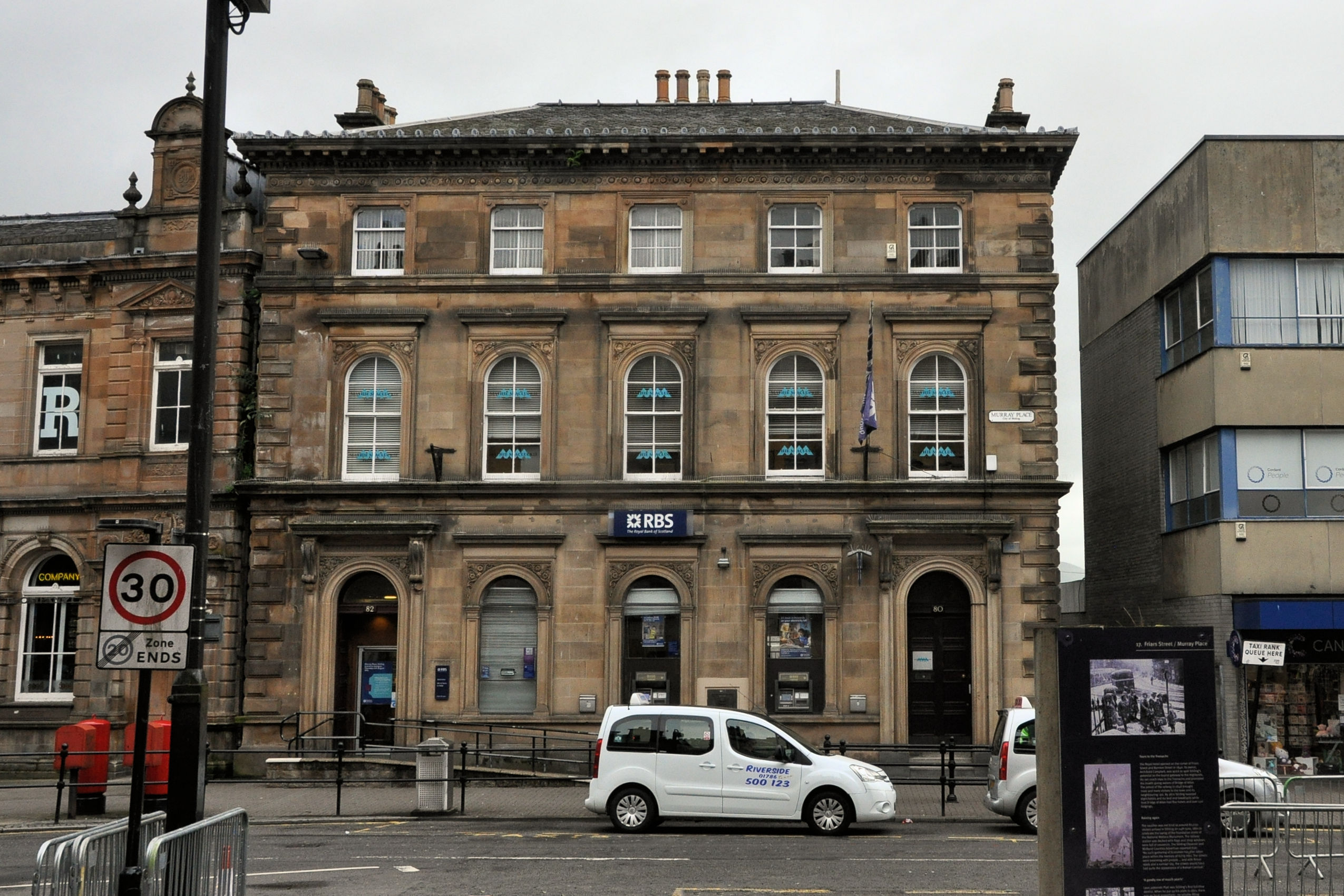
City watchdog probing RBS whistleblower’s claim that a cover-up dubbed ‘Project Suitable’ was used to bury potential mis-selling. The City watchdog is investigating a whistleblower’s claims that RBS covered up the potential mis-selling of investment products, This is Money can reveal. The claims being probed by the Financial Conduct Authority centre on Royal Bank of Scotland Group (RBS) in-house review of whether products such as stocks and shares Isas and investment funds were sold to suitable customers or not.
Aston Martin doubles output in first update since float. Aston Martin Holdings (AML) has roared ahead in its maiden numbers as a public company, almost doubling its revenues and vehicle sales. The luxury sports car company said it sold 1,776 cars in the third quarter, up from 891 in the same period last year, with motorists in America, Asia-Pacific and China driving demand. Revenues rose by 81% to £282m, and pre-tax profit was £3.1m, compared with just £300,000 last time round. The company’s preferred measure of profitability, adjusted earnings before interest, tax, depreciation and amortisation, climbed 93% to £54m. This measure strips out financing costs, disposals, and expenses from the recent flotation.
Patisserie Valerie boss Paul May quits after accounting scandal. Patisserie Holdings (CAKE) chief executive Paul May has quit with immediate effect as the company struggles to get to the bottom of its shock accounting problems. Turnaround specialist Stephen Francis has been hired to replace Mr May, who has been chairman Luke Johnson’s right-hand man at Patisserie Valerie since early 2007. One vocal investor labelled Mr Francis’ appointment as “questionable”. The exit of the troubled company’s boss comes less than a month after chief financial officer Chris Marsh also resigned. Mr Marsh has been questioned by police as part of an ongoing investigation into potential criminal fraud at the company.
Struggling mattress seller Eve Sleep PLC (EVE) to tap shareholders for more cash. Shares in mattress maker Eve Sleep have been given a much needed boost after the company announced plans to raise around three-quarters of its market value in cash to fund its new strategy. In the 18 months since the company floated Eve’s share price has tanked from 110p in May last year to just 15p-a-share after a number of “strategic missteps”. The problems culminated in a profit warning and its chief executive and co-founder being shown the door in July. The company, which listed with a £140m valuation is now worth just £20m.
Floundering Flybe Group (FLYB) sells off headquarters to raise £5m. Struggling low-cost airline Flybe has sold part of its Exeter headquarters in a bid to raise cash for “general working capital”. Britain’s biggest regional carrier put itself up for sale on Wednesday after profits plunged. Both the company and auditor PwC warned of a uncertainty over Flybe’s future. Accountancy firm KPMG has been hired to help manage the airline’s cash flow after credit card providers began demanding multimillion-pound advances in additional collateral. A Flybe hangar at Exeter Airport has been sold for £5m plus VAT. Exeter & Devon Airport Limited has leased the property back to the airline at a cost of £515,000 a year.
Digital education business Learning Technologies Group (LTG) pulled investors on side as it set ambitious targets for the end of 2021. It helps businesses teach employees online or reach more customers through games, and wants to make revenues of £200million and earnings of £55million by then. At the end of last year, it made revenue of £52.1million and earnings of £14million, exceeding targets it set in 2013 by a year.
A boardroom battle at Velocys plc (VLS) threatened to escalate and sent shares on a rollercoaster ride. The Airbus supplier said it had heard ‘no clear communication’ from founder Jon Bridges, who was demanding to be reinstated on the board after being demoted following three profit warnings. Bridges, along with co-founders Gerard Johnson and Christopher Banks, had threatened to call a shareholder meeting to get himself voted back onto the board. Velocity understands they are still pursuing this route, but have yet to form a plan.
Summer sales at Young’s surge as customers bask in beer gardens. Young & Co’s Brewery ‘A’ Shares (YNGA) toasted a sizzlingly good summer of profits, buoyed by customers basking in its pub gardens during the UK’s heatwave. The 187-year-old brewer said Pimm’s and rosé had proved particularly popular during the warm weather, while sales at outdoor ‘burger shacks’ rose by a fifth. Half-year revenue rose 8.6% to £156.8m while profit before tax was 19.5% higher at £26.4m. Like-for-like sales at the company’s managed houses – which represent around 95% of Young’s business – were 5.2% up for the year to Oct 1. Meanwhile, the “gin revolution shows no sign of slowing up, [with sales] 35% up on last year”, chief executive Patrick Dardis said.
Great Portland Estates hands shareholders £200m as profits rise. London landlord Great Portland Estates (GPOR) plans to hand investors £200m in share buybacks but warned it could slim down or delay the scheme if the fractious Brexit negotiations derail the economy. The FTSE 250 company, which owns mostly offices and shops across the capital’s West End, is giving the cash back after selling £329m of properties since April. Toby Courtauld, chief executive, said: “You always have flexibility with buybacks but we’ve been very clear to set that out. “If for some reason there’s a radical change in conditions over the next month or two and we’re suddenly presented with opportunities, we can stop the programme and redirect that capital into new acquisitions.”
Asda puts on starring show for Walmart before merger. A sixth consecutive quarter of sales growth at Asda was a conspicuous bright spot in Walmart’s struggling international division yesterday. Comparable store sales at the British supermarkets chain owned by the American retailing giant rose by 2% in the third quarter compared with the same period last year. Asda is Britain’s third largest grocer after Sainsbury (J) (SBRY) and Tesco (TSCO) , the market leader. The Competition and Markets Authority is reviewing a £12 billion merger of Asda and Sainsbury’s.
Bovis homes in on record profit from rebuilt reputation. A focus on standards was highlighted by Bovis Homes Group (BVS) yesterday as it said that it was on track to hit its target for 4,000 completions this year. The FTSE 250 housebuilder, which has been dogged by controversy over poor-quality homes, said that it was expecting to deliver record profits. It has updated its sales strategy to counter uncertainty surrounding Britain’s exit from the European Union, increasing its use of part-exchange deals over recent months. The method, which allows buyers to trade in their home as part-payment for a new property, accounted for about 15% of the company’s total reservations in the second half of the year.
Third-party haul fires up Intermediate Capital. Intermediate Capital Group (ICP) scooped a record €6.1 billion of new mandates in its first half and boasted that all its funds were on course to meet or exceed their hurdle rates of return. The alternative asset management group, which once specialised in hybrid forms of lending known as mezzanine finance but has diversified into property and private equity, said that assets under management had grown by 17% in the six months to September to €33.6 billion. The FTSE 250 group, originally set up to manage its own assets, has expanded by managing third-party assets for institutions such as sovereign wealth funds and insurers. Profits from this side of the business were up 45% to £64.4 million in the period. ICG’s own investments as principal lifted profit 16% to £59.6 million.
Spire owner Mediclinic International (MDC) ‘to heal its injured Swiss business’. The biggest shareholder in Spire Healthcare Group (SPI) in Britain has moved to patch up its Swiss business after a cut to forecasts and a fall in its share price. Mediclinic International said that it would open more outpatient surgery units and cut costs in its Hirslanden business in response to regulatory changes in Switzerland’s healthcare market. The group was demoted from the FTSE 100 index in June after a slowdown in Hirslanden and downgraded its full-year outlook last month. Its shares have almost halved over the past year and they fell another 3.2% to 344p yesterday. Revenue fell 1% to £1.39 billion and its adjusted operating profit fell by 15% to £137 million. On a statutory basis, its losses rose to £168 million from £50 million as it booked non-cash impairment charges of £164 million on its investment in Spire and £98 million on Hirslanden.
Investec profits deliver break-up boost. Investec (INVP) reported robust half-year earnings yesterday as it prepares to split off its fund management division. The Anglo-South African financial group said that operating profits had risen by 14% to £359 million in the six months to the end of September. The company is in the process of spinning off Investec Asset Management, which oversees £109 billion of investor cash. With a mooted valuation of £2 billion, it will join the ranks of quoted stockpickers including Schroders, Jupiter and Quilter. Plans for the break-up are “progressing well” and should be completed during the second half of next year, it said.
Qinetiq aims to be big beast. Contract wins in the United States and with the Ministry of Defence have put QinetiQ Group (QQ.) on track for results that match City forecasts. The £1.2 billion defence technology company, spun out of the MoD in 2002, revealed its largest competitive contract win and a big robotics deal with the US government alongside solid half-year results. Revenues rose 7.1% to £420 million for the six months to September, although profits before tax dropped from £69.3 million to £52.7 million.
Assets fall as Close banks ‘solid start’. Worries about Brexit have not affected borrowing appetites or bad debts so far, according to Close Brothers Group (CBG) . The British merchant bank said that it had made a “solid start” to its financial year, while disclosing a £300 million fall in client assets. Its loan book increased by 1.9% in the three months to October 31 to £7.4 billion, while impairment charges remained low, with a strong credit performance across lending businesses. The net interest margin — the difference between the rate at which it borrows and the rate at which it lends — was broadly in line with last year, it said.