
Below are the key headlines from today’s updated papers, featuring the Financial Times, The Times, The Telegraph, The Daily Mail & more - see the full Press section here.
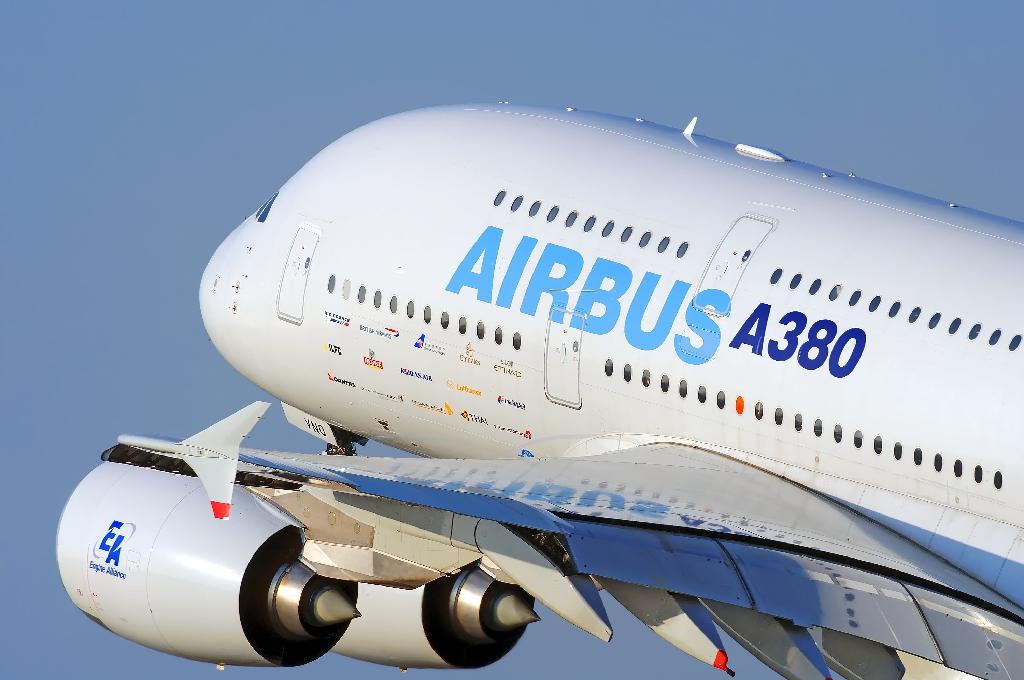
US plans $11bn tariffs on European aircraft, wine and cheese. The United States is planning $11 billion of tariffs on goods from the European Union — including aircraft, aircraft parts, motorcycles, cheese and wine — to counter the harm that it claims has been caused to Boeing by its subsidies for Airbus. The US trade representative, Robert Lighthizer, said that the case had been in litigation at the World Trade Organisation for 14 years and that “the time has come for action”. The WTO has found that the EU provided Airbus with subsidies for nearly 40 years. These subsidies included aid for the launch of all Airbus models, causing Boeing to lose sales and market share throughout the world. In 2016 the WTO said that the EU had failed to comply with a ruling to stop the subsidies.
Debenhams investors wiped out in pre-pack administration. Lenders have taken control of Debenhams (DEB) on Tuesday after the ailing department rejected a rescue offer from Sports Direct International (SPD) to inject £200 million into the ailing business. Administrators at FTI Consulting were drafted in to handle the pre-pack administration, giving debt-laden Debenhams access to a pre-agreed £200 million of fresh funding from its lenders. Debenhams shareholders’ have been wiped out in the process, including Mike Ashley’s Sports Direct, its largest shareholder with a 29.9% stake. Ashley has spent around £150 million building his holding in the retailer since 2014.
Fears that a Labour government led by Jeremy Corbyn could renationalise the water industry sent shares in Britain’s listed utilities sinking this morning. Risks for the sector are rising, analysts at JP Morgan said, as the bank now believed that “a general election looks the most likely route out of the Brexit impasse, bringing to the fore the threat of nationalisation under a future Labour government”. In a research note, the analysts downgraded Severn Trent (SVT) and Pennon Group (PNN) to “neutral” from “overweight”. They remained “overweight” on United Utilities Group (UU.) but cut their target price on all three companies to reflect the inclusion of a “nationalisation scenario” in their valuations. Severn Trent was the bigger faller on the FTSE 100 in morning trading, down 41p at £19.19, while United Utilities was trading 10.8p lower at 808.2p. In the mid-cap index Pennon fell 15.4p to 710.4p.
Pub chain pays weekly bonuses in bid to keep bar staff. Bar staff at a chain of upmarket pubs will be paid weekly sales bonuses worth as much as £3,000 a year in a bid to recruit and retain workers. The City Pub Group (CPC) , which runs 50 watering holes in the south of England including the Jam Tree in Chelsea and the Brighton Beach Club, believes the “radical” bonus plans will help achieve its lofty growth ambitions. If a pub hits weekly sales targets, employees will be paid an additional £1 an hour, rising to £1.50 if the target is beaten by a tenth. “It has engaged our staff in the sales of the business,” said chairman Clive Watson. “[And] it is helping with recruitment and retainment.”
Competition watchdog accuses building firms of running price cartel. A trio of building firms were on Tuesday accused of running a price cartel by the UK competition watchdog, potentially triggering millions of pounds in fines. The Competition and Markets Authority’s provisional findings revealed listed hire company VP (VP.) and MGF running a cartel on groundworks products used in excavations for periods totalling two years. The findings also revealed sharing confidential information on pricing to cut competition and keep prices up. A third player, Mabey Hire, was also in the cartel for five months, but blew the whistle on the other two and will not be fined if it continues to cooperate with the CMA.
Yorkshire miner Sirius Minerals (SXX) , gaining 14% to 25.25p, but a spokesman said there was no specific factor for the leap other than market sentiment. Some speculated it may be due to rising fertiliser pricing or a sell-down by shareholder Capital.