
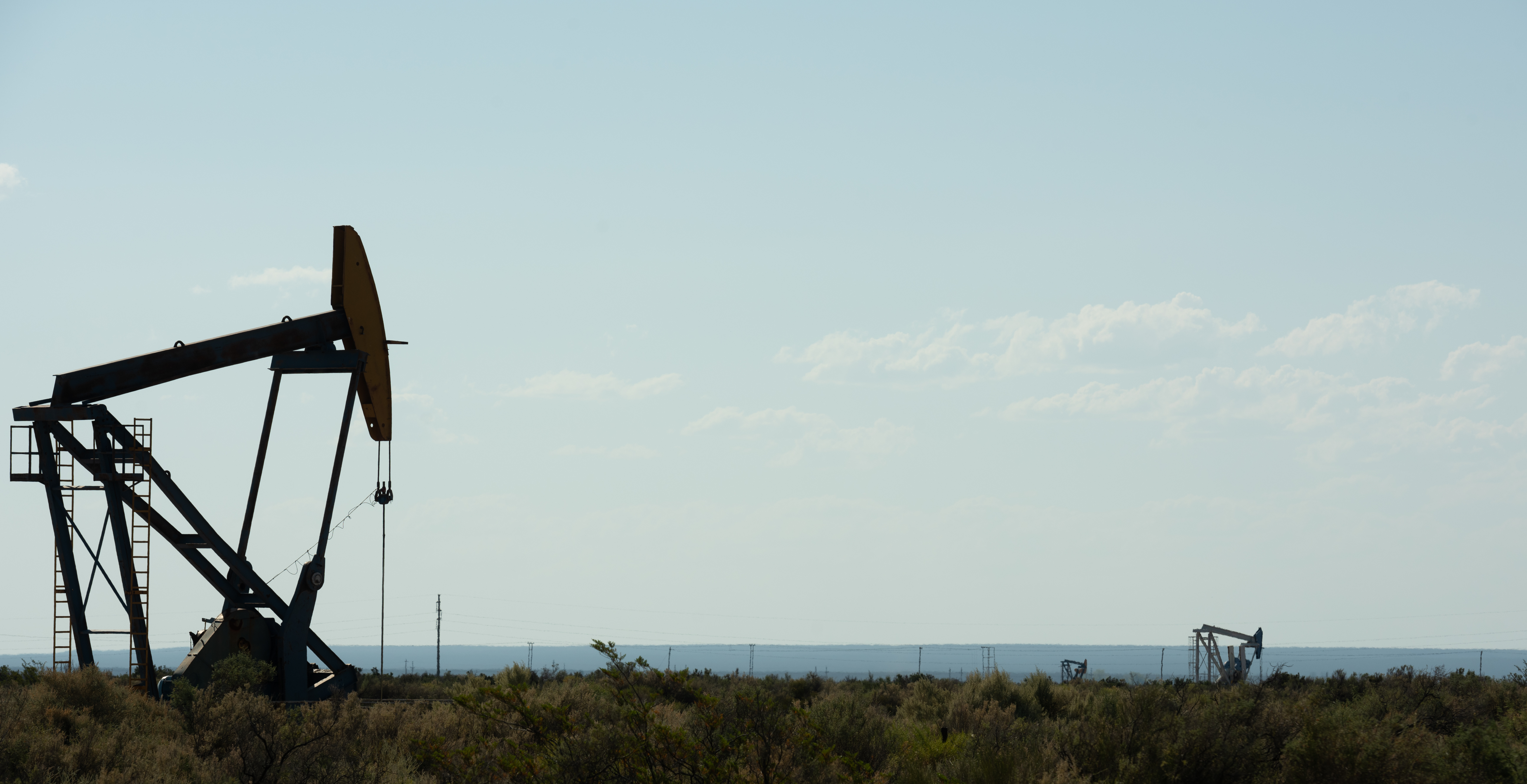
President Energy (PPC) said it has received positive results from the secondary recovery pilot project at the Puesto Flores Field which is located in the Rio Negro Province of Argentina.
The South American-focused energy firm announced in August 2020 that it was to commence a pilot waterflooding project in the Puesto Flores field. To date, the company said the pilot project is showing concrete signs of success which could in turn, increase production.
It said if this success were promulgated to other parts of the mature Puesto Flores field, that it could increase production in the short to medium term but also extend out decline curves, thereby prolonging field life to create a beneficial effect on the extent of recoverable reserves.
The Company explained that waterflooding is a recognised form of oil recovery wherein energy to sweep or move either residual oil or greater oil from the reservoir rock is supplied from the surface by way of water injection with the induced pressure of additional water. Whilst it is widely used in Argentina, it has never been tried in the Puesto Flores field.
If successful, waterflooding can enable greater levels of oil in mature fields to be produced which otherwise would be left in the ground. This process allows a field to produce more of the 2P (proven and probable) oil reserves but also mitigates the inevitable effect of natural decline in production from existing wells by softening the decline curve, the Company noted.
The Company highlighted that its recovery pilot project was initiated in one fault block within the Puesto Flores field using well PFO-26 to inject produced water that otherwise would have been disposed of in a dedicated disposal well. In particular, the project’s objective was to identify whether there was any pressure response from wells in the same structure.
Shares in President Energy ticked up 4.76% today at 2.2p following the announcement.
President said the results to date have been positive after the group identified a potentially significant positive incremental response from two wells. The first from PFO-14 lying 700 metres away from PFO-26 and the other from PFO-10 which was only 386 metres away.
After careful analysis, the company reported that they believe the production increases from these two wells are a direct result of waterflooding. The results at this stage show an aggregate increase from these two wells of approximately 15 m3/d of oil (circa 95 bopd) representing a 50% increase in oil production from PFO-14 and 25% from PFO-10.
The Group stated that the results to date suggest that ‘a wider long term application of waterflooding may be successful in other areas within Puesto Flores and it is this that potentially could have a material impact on incremental production, the extension of decline curves, estimated ultimate recovery factors, in due course reserves and importantly field life.’
President highlighted to investors that the current pilot programme will continue and added that ‘consideration will shortly be given as to the possibilities and practicalities of rolling it out on an extended basis with other old non-producing wells being utilised as injectors.’
"With such evidence of success in one structure with two producing wells, whist monitoring how the production curves now progress, consideration is now being given to rolling out over time a waterflooding scheme where sub-surface conditions are suitable both within the Puesto Flores field and other of our fields in Rio Negro,” said Peter Levine, Chairman of President.
He added, "As in the pilot programme, this is not the equivalent of an overnight sensation and is one that requires continued patience and diligence to develop a serious and impactful field scheme. Nevertheless, this should not detract from the potentially significant implications from the clear results so far".
Follow News & Updates from President Energy here: