
In a 3Q trading update published today, Associated British Foods (ABF) reported revenue growth of 32% to £4 billion in the 36 week period to 28 May 2022 as a result of improved post-pandemic trading conditions as well as higher prices offsetting cost increases.
The multinational food processing and retailing company confirmed its trading was in line with management expectations and stated its outlook for FY 2021-2022 remained unchanged.
ABF told investors that ongoing price actions to recover input cost inflation and increases in volume ingredients had resulted in a 10% revenue increase in its food sector to £2.3 billion.
Grocery revenues rose by 4% year-on-year to £932m with sales benefitting from price rises earlier this year and continued pricing action across the third quarter, while sugar revenue increased 7% to £457m with demand expected to be in excess of FY21/FY22 production.
Sales in the company’s agriculture division rose by 10% to £44m, with higher selling prices counteracting higher commodity and energy costs and driving profitability. As a result, the ABF said profits for FY 21-22 are expected to fall broadly in line with those in FY20-21.
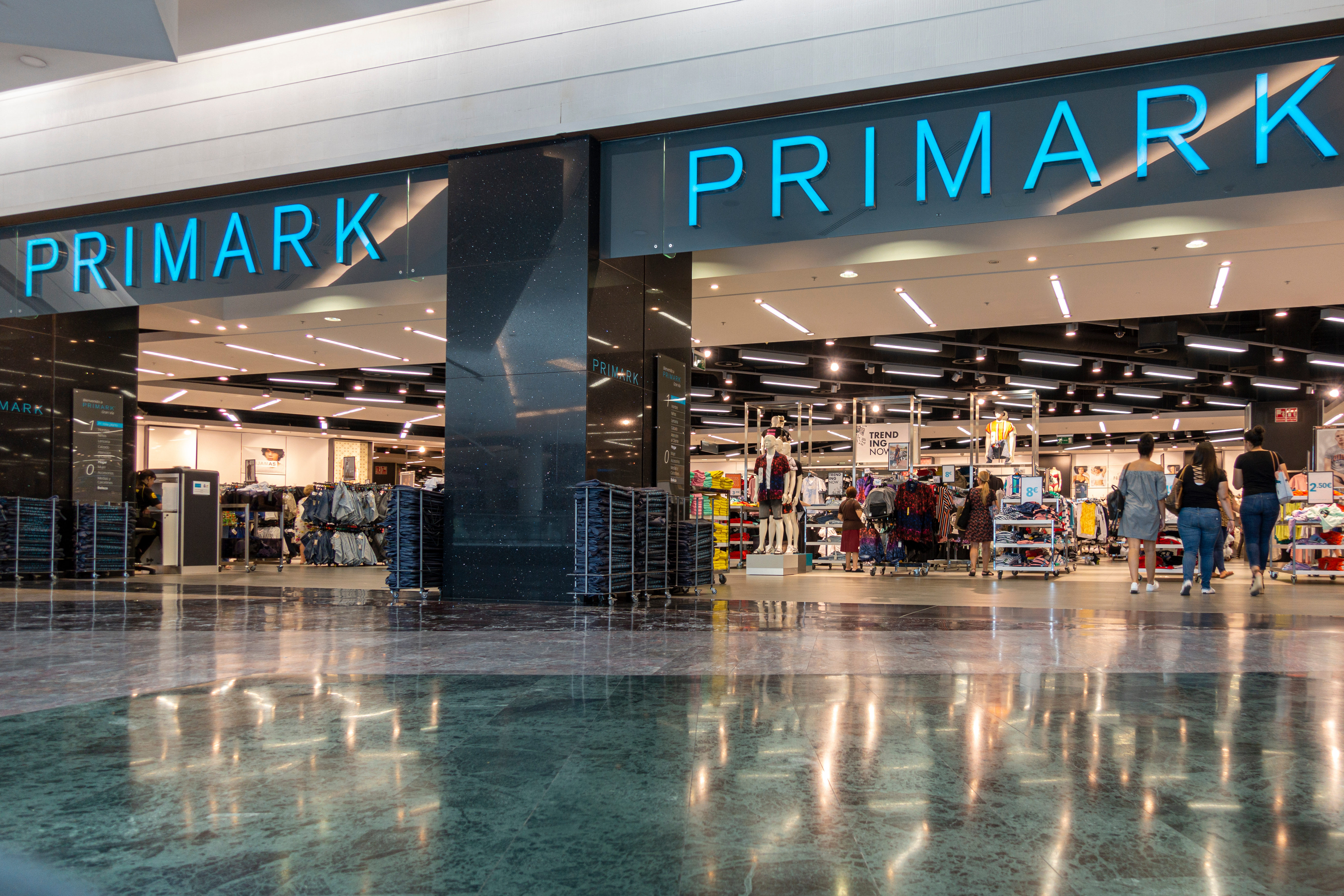
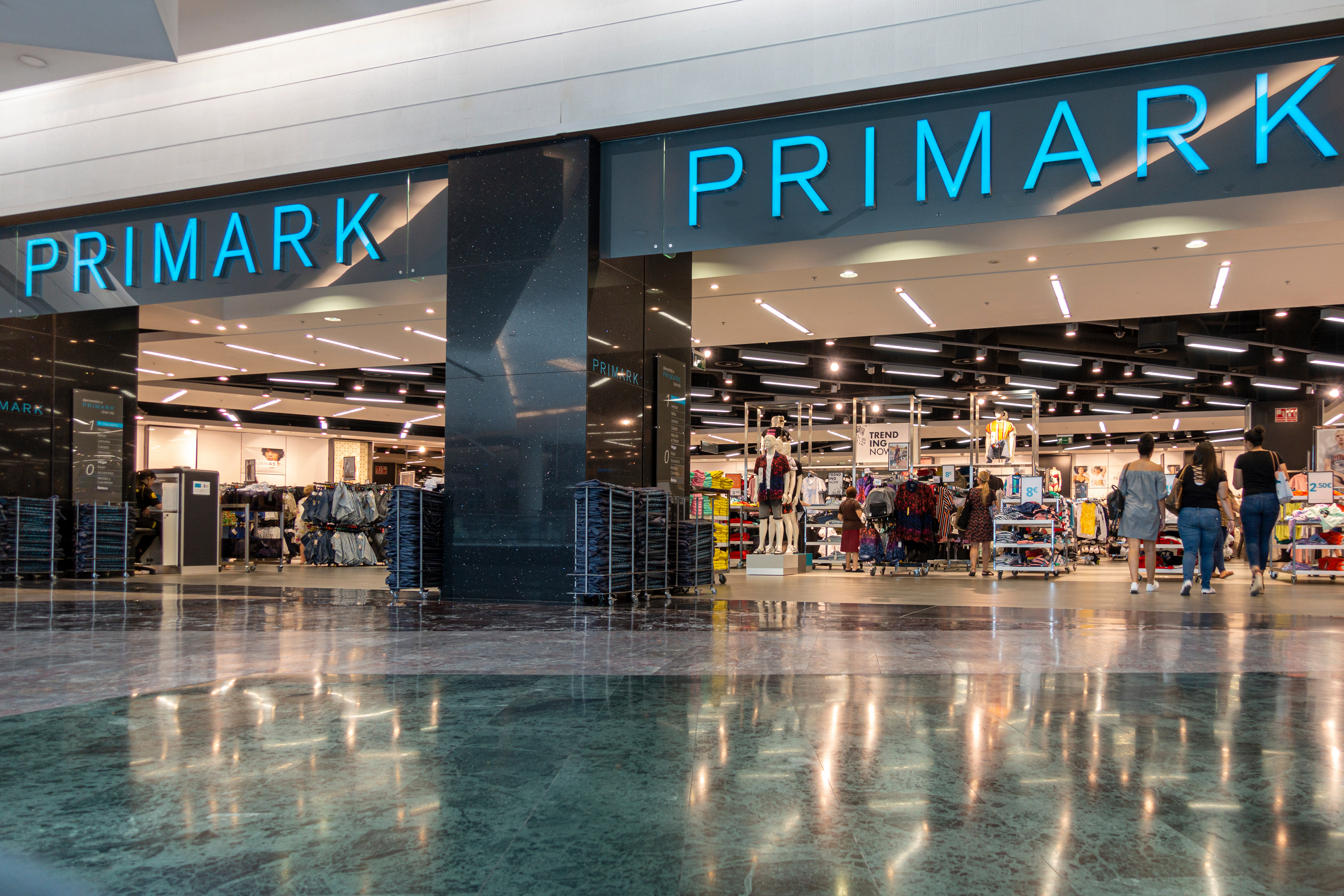
ABF reported a 81% rise in retail revenue to £1.7 billion as a result of all Primark stores reopening in 3Q compared to last year when most of the stores were closed. Primark is currently on track to deliver a FY adjusted operating profit margin of approximately 10%.
The retailer is preparing to launch a UK trial of Click & Collect services for children’s products in up to 25 stores in the Northwest and with a wider range of products. It's is aiming to drive higher footfall as well as incremental sales in stores and build on enhanced digital capability.
Multichannel shift
Until now, Primark has refrained from selling its products online unlike other fashion retailers, which meant the business took a hard hit as a result of Covid restrictions when its stores were closed.
Commenting on the online shift, ABF wrote: "Our average-size stores are only able to stock a limited range and for these customers the number of options available to them will broadly double, increasing even more for customers of our small stores. This trial will enable us to provide more fashion, licence and lifestyle products to more customers and more often."
While mentions of economic concerns are noticeably absent from ABF’s third quarter results, by contrast, fashion retailer ASOS issued a profit warning last week after consumer spending had waned while Boohoo Group said inflation has affected costs and its international competitiveness.
Hargreaves Lansdown equity analyst, Laura Hoym said that today’s trading update marks a departure from the cautious note that ABF’s Chief Executive George Weston struck at the half-year, when he warned about the impact of inflationary headwinds on margins.
“Management said it would be forced to raise prices on its autumn and winter collections back in April. But bikinis and flip flops are still at the top of the shopping list for holiday-obsessed consumers right now. So the impact of these price hikes on volumes is yet to be determined.”
She added that the business remains in a good position as the United Kingdom heads into tougher economic conditions, “with its lower-priced items more appealing to cash-strapped consumers", but added that "a slowdown in consumer spending is sure to hit the entirety of the sector.”
Follow News & Updates from Associated British Foods: