
Eastinco Mining and Exploration (EM.P ) said early observations from completed work at the Musasa Mine and the southern joint ventures in southern Rwanda are “encouraging” to date.
The African-focused exploration and development company discovered six new pegmatite zones during a geochemical soil sampling programme on the HCK joint venture in Rwanda; of particular importance is the discovery of multiple new pegmatite zones identified at the site.
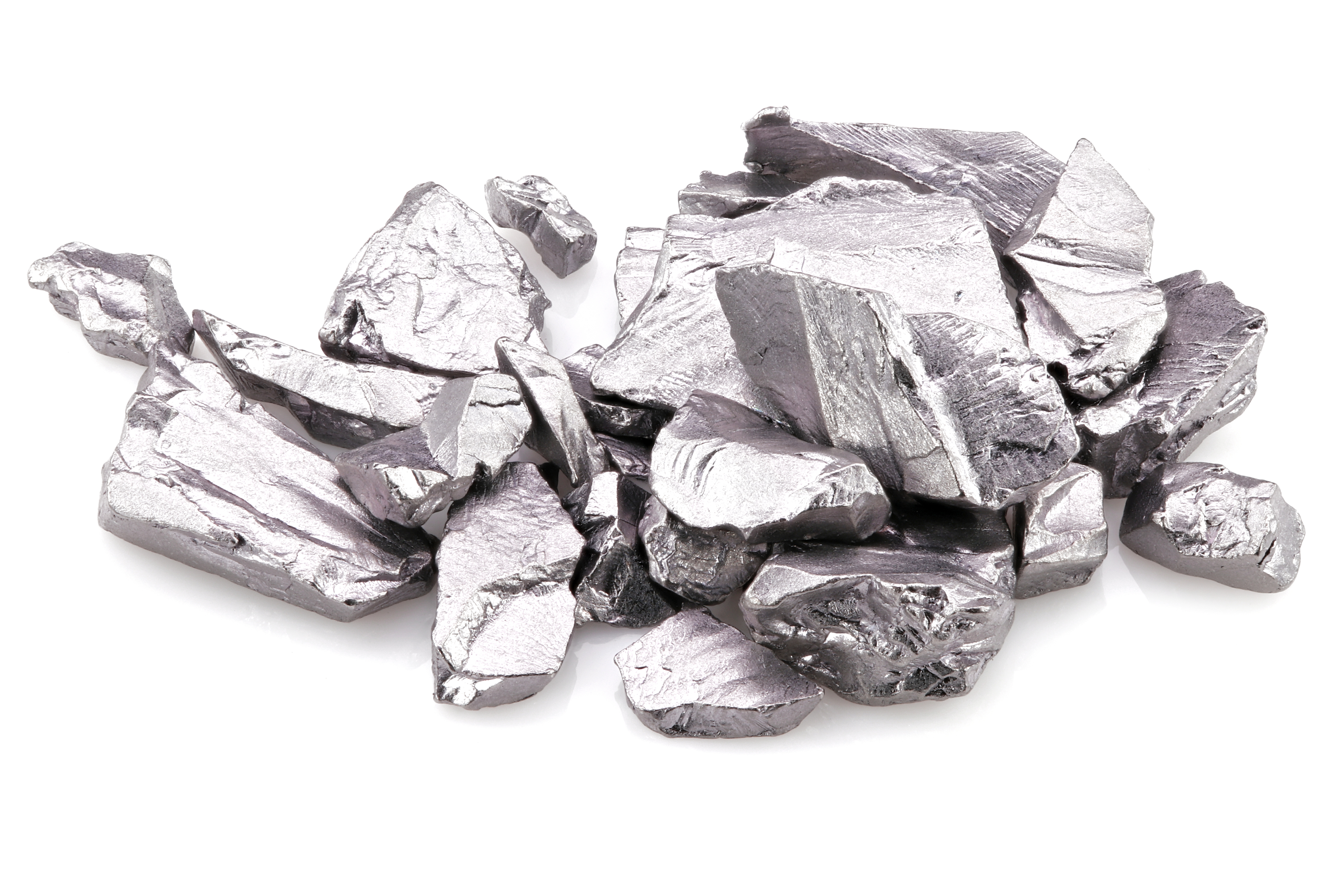
A total of 18 pegmatite zones have now been identified, supporting previous evidence from artisanal mining activity indicating the presence of extensive tantalum-niobium mineralisation.
Two further discoveries were made that potentially indicate the strike extension to the northwest and southeast of the main HCK-1 target. This is significant because pegmatite dykes are the primary host rock for the Tantalum-Niobium mineralisation in Rwanda.
Earlier reconnaissance of HCK-1 had estimated the strike length to be c. 650m. The current work indicates that the pegmatite zone continues for at least 1,500m. Although additional infill work is required, the width of the zone in places is more than 100m, the Company highlighted.
Eastinco will continue to operate on the HCK-1 target to further resolve the overall geometry and scale of this mineralised system, progressing the programme on the northwest extension.
The Company highlighted that this extensive occurrence of potential tantalum-niobium bearing pegmatite zones across the HCK licence is “very positive” and that it now seeks to establish an operating hub in the area to service the two joint ventures it has in the south.
Meanwhile, Eastinco said it has made several significant changes to the Musasa Mining plant based on the recommendation of the group’s on-site processing consultants, Quiver Limited.
Six additional slurry pumps were imported and installed to ensure better material flow and, more importantly, the recycling of washed material, particularly the tailings, to allow for multiple passes through the separation process and better overall recoveries, it reported.
In March 2022, Eastinco commenced surface exploration over the Kassava Prospect, one of the five currently identified areas of mineralisation known on the project where shallow vertical pits are being manually excavated to define the margins of the main pegmatite dyke.
From the completed work the Kassava pegmatite is interpreted to be lens-shaped with a maximum width of 80m, with pits covering a strike length of 250m, and the geological team has identified several positive geological indicators, such as very coarse-grained muscovite, in addition to outcropping pegmatite, covering a distance of c. 500m to the east of Kassava.
Eastinco continues to work with an NGO in Rwanda for the installation and maintenance of solar-powered water filtration units that are placed in schools around the country to provide a source of clean potable water. It said there are currently 23 operational units in-country, and it expects to soon have a new unit installed at a school located on the HCK JV licence.
In addition, the Company has initiated the membership application process to join ITSCI (International Tin Supply Chain Initiative), an initiative focused on responsible sourcing.
Tantalum prices in Kigali are currently more than $180,000 per tonne. The Company believes the strong pricing for tantalum bodes well for both mining and trading operational revenues.
“Joining ITSCI will help us demonstrate that we are part of a responsible mineral supply chain, and also to implement our plans to establish a metal trading operation, and hence a second revenue stream. This will supplement revenue from production at the Musasa Mine, which we expect to come fully online shortly,” Charles Bray, Chairman of Eastinco, informed investors.
Bray said he believes a vertically integrated operation will bring added value to Eastinco’s shareholders while ensuring that operations deliver tangible benefits to local communities.
Follow News & Updates from Eastinco Mining and Exploration: